

Richmond Park is one of the most beautiful green spaces in southwest London. Its wide open fields, woodland trails, and scenic views over the Thames make it a perfect place for dogs of all ages to enjoy fresh air and exercise. However, for senior dogs, some areas can be more challenging due to hills, uneven paths, and interactions with wildlife. With a few simple adjustments, you can ensure that older dogs still enjoy safe and comfortable walks in the park.
Why Senior Dogs Need Special Consideration
As dogs get older, their joints, muscles, and stamina naturally decline. Conditions like arthritis, hip dysplasia, or heart disease can make even moderate exercise uncomfortable or tiring.
That said, staying active is still essential for maintaining mobility, mental stimulation, and overall wellbeing. The key is to adapt walks to your dog’s abilities, watching carefully for signs of fatigue or discomfort and being prepared to modify your route or pace accordingly. Even a shorter, slower walk can offer both physical exercise and mental enrichment for a senior dog.
Choosing the Best Routes in Richmond Park
Not all trails in Richmond Park are equally suitable for older dogs. Gentle, level paths around Pembroke Lodge or along the perimeter of Isabella Plantation are ideal for leisurely strolls without putting too much strain on joints. Steeper trails, such as those near King Henry’s Mound, can be tiring and potentially risky for dogs with limited mobility. For dogs who tire quickly, sticking to loops near car parks like Pembroke Lodge or Richmond Gate provides a convenient option to turn back if needed. By planning your route carefully, you can give your dog a satisfying walk without overexerting them.
Managing Exercise and Fatigue
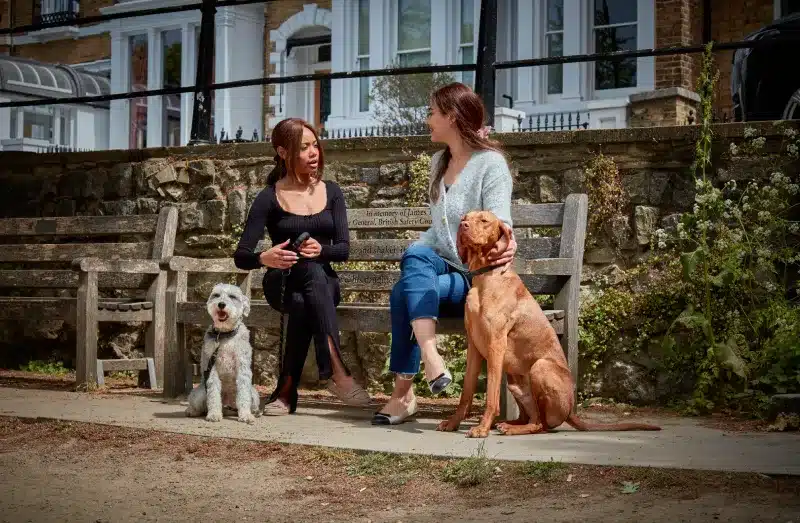
Monitoring your dog’s energy levels is just as important as choosing the right path. Older dogs often do best with shorter, more frequent walks rather than one long session. Watch for signs that your dog is tiring, such as slowing down, lagging behind, or heavy panting. Allow for pauses along the way so your dog can rest, sniff, and enjoy the surroundings. On warm days, carrying water is essential to prevent dehydration, and in colder weather, a light coat or blanket can help keep older dogs comfortable after exercise.
Paw and Joint Care
Richmond Park trails can be uneven, muddy, or littered with sticks, which can be tough on sensitive paws and stiff joints. After each walk, check your dog’s paws carefully and remove any debris. Dogs with arthritis or joint problems may benefit from protective dog boots or supplements recommended by a vet, which can support mobility and reduce discomfort. Gentle stretching before and after walks can also help keep muscles flexible and joints comfortable, especially for dogs who are prone to stiffness.
Wildlife and Safety Considerations
One of the joys of Richmond Park is its abundant wildlife, but senior dogs may not have the agility or reflexes to safely navigate encounters. Deer, foxes, and birds can be very tempting for dogs to chase, and older dogs can be more prone to injury in these situations. Keeping senior dogs on a lead in areas of high wildlife activity helps prevent accidents. After walks, check paws and fur for contact with wildlife droppings, which can carry parasites such as lungworm.
Richmond Park Dog Rules
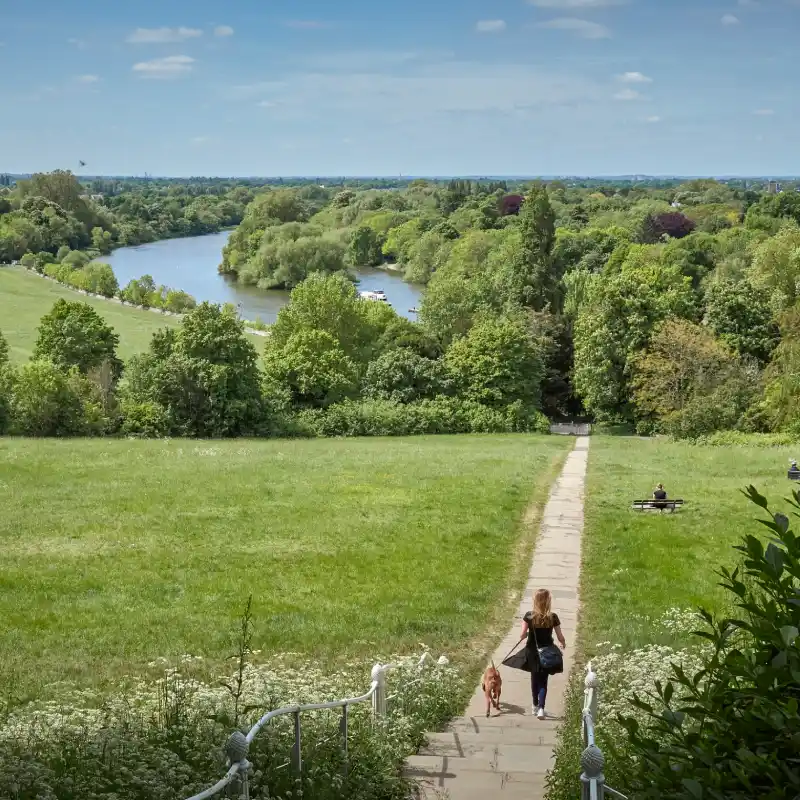
Richmond Park has specific rules designed to keep both pets and wildlife safe. Dogs must be under close control at all times, and in certain areas, especially where deer congregate. It’s mandatory to keep them on a lead. Waste must be picked up and disposed of
properly, and owners are asked to avoid letting dogs chase or harass wildlife. Familiarising yourself with these rules not only protects your senior dog but also ensures you are helping to maintain the park’s natural environment for everyone to enjoy.
Tips for an Enjoyable Richmond Park Walk
Timing, pace, and environment all contribute to a positive walking experience. Try walking during quieter times of the day, such as early morning or late afternoon, to avoid crowded paths that may stress older dogs. Incorporating short breaks on benches or grassy areas lets your dog rest and enjoy the scenery. Pay attention to seasonal hazards: icy patches in winter, muddy trails in rainy months, or pollen in spring can affect comfort and mobility. By observing your dog closely and adjusting your walk to the conditions, you can make each trip enjoyable and safe.
When to Seek Veterinary Advice
Even with careful planning, older dogs may show signs that they need extra support. Limping, stiffness, reluctance to walk, or sudden changes in appetite or behaviour should prompt a visit to your vet. Regular check-ups can help identify age-related issues early, and your vet can advise on joint supplements, pain relief, or exercise modifications to keep your dog happy and mobile. With proper care, senior dogs can continue to enjoy Richmond Park safely for many years.

 020 7730 9102