

The Vet on Richmond Hill > Services > Preventative Healthcare > Pet Arthritis Treatment & Mobility Support
Arthritis and other mobility issues can significantly impact your pet’s comfort and quality of life.
At The Vet on Richmond Hill, we understand how distressing it can be to see your beloved companion struggling with pain and stiffness.
Our compassionate veterinary team in London is dedicated to diagnosing, managing, and alleviating arthritis and mobility problems in pets, helping them to live happier, more active lives.
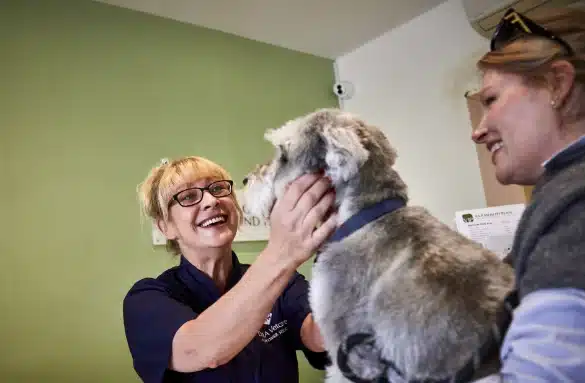
What is arthritis in pets?
Arthritis, also known as osteoarthritis or degenerative joint disease, is a common and progressive condition characterised by the breakdown of cartilage within the joints.
This loss of cartilage leads to inflammation, pain, stiffness, and reduced range of motion.
Over time, it can cause significant discomfort and hinder your pet’s ability to move freely.
What pets are most at risk?
While any pet can develop arthritis, certain factors increase the risk:
- Age: Arthritis is most common in older pets as joints naturally wear down over time.
- Breed Predisposition: Some breeds are genetically predisposed to joint problems, such as hip or elbow dysplasia, which can lead to early-onset arthritis (e.g. Labradors and German Shepherds).
- Obesity: Excess weight places increased stress on joints, accelerating cartilage degeneration.
- Previous Injuries: Trauma to a joint, such as fractures or ligament tears, can predispose it to arthritis later in life.
- High-Impact Activities: Repetitive stress on joints from intense exercise or sports can contribute to wear and tear.
- Poor Nutrition: A diet lacking essential joint-supporting nutrients can impact cartilage health.
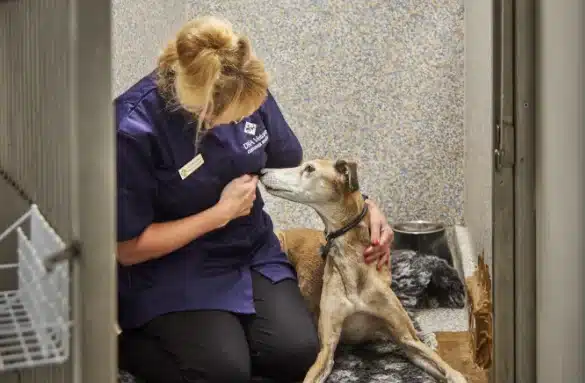
Treating arthritis in pets
While arthritis cannot be cured, it can be effectively managed to minimise pain, improve mobility, and slow its progression.
Our approach involves a multi-modal strategy tailored to your pet’s individual needs.
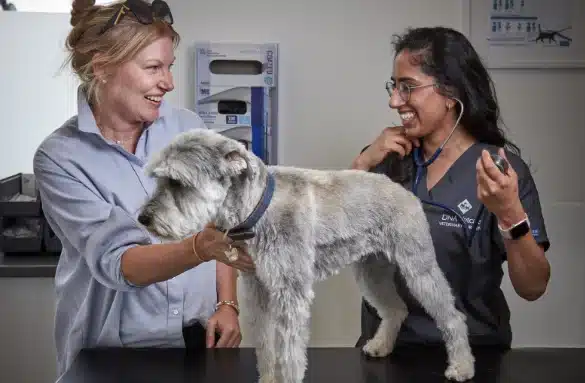
Dog arthritis
Arthritis is particularly common in dogs, often manifesting as limping, difficulty getting up, reluctance to play, or changes in gait.
Early diagnosis and a comprehensive management plan can significantly improve your dog’s comfort and mobility.
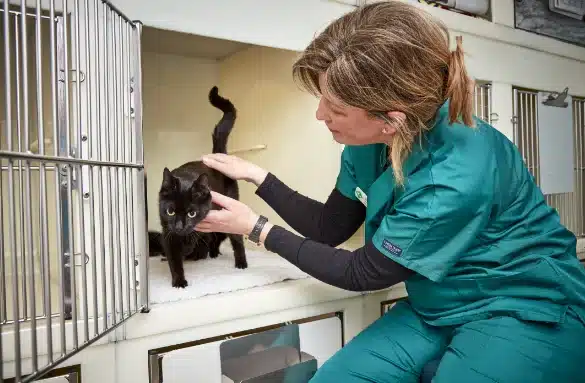
Cat arthritis
Arthritis in cats is often subtler than in dogs, and signs can be easily missed. Cats may show reduced grooming, reluctance to jump, less active play, or irritability.
Recognising the signs is crucial for early intervention
Our approach to managing arthritis and mobility issues
Weight Management
Achieving and maintaining a healthy weight is one of the most impactful ways to reduce stress on painful joints. Our team can help you develop a tailored nutrition plan.
Exercise
Controlled, low-impact exercise is vital for maintaining joint flexibility and muscle strength. We can advise on appropriate exercise routines.
Physical Therapy
Therapeutic exercises, massage, hydrotherapy (under supervision), and other physical modalities can significantly improve mobility, reduce pain, and strengthen supporting muscles.
Medicine
Non-steroidal anti-inflammatory drugs (NSAIDs) are often prescribed to reduce pain and inflammation. Other medications may be used to protect cartilage or manage chronic pain.
Supplements
Joint supplements containing ingredients like glucosamine, chondroitin, and omega-3 fatty acids can support cartilage health and reduce inflammation.
Stem Cell Therapy
Our vets within the group have expertise in stem cell therapy, where cells are taken from the dog, processed, and then injected back into the joints to help repair and regenerate cartilage.
Alternative Therapies
Depending on your pet’s needs, we may discuss options like acupuncture or laser therapy, which can offer additional pain relief.
Modifying your pet’s home environment
Making simple adjustments to your pet’s living space can greatly enhance their comfort and mobility:
- Ramps or Steps: For accessing elevated surfaces like beds, sofas, or cars.
- Non-Slip Flooring: Placing rugs or mats on slippery surfaces to prevent falls.
- Orthopaedic Beds: Providing cushioned beds that support joints.
- Easy Access to Essentials: Ensuring food, water, and litter trays (for cats) are easily accessible without requiring jumping or climbing.
- Warmth: Providing a warm, comfortable resting area, as cold can exacerbate joint pain.

Don’t let arthritis diminish your pet’s quality of life
Contact us today to get your pet in for a consultation, and we’ll let you know the best route forward.

 020 7730 9102